The Gokyo Lake Trek is truly one of the most stunning and awe-inspiring adventures you can undertake in the Everest region of Nepal. This Lake Trek journey takes about 12 days, passing through breathtaking natural scenery, rich cultural experiences, and mesmerizing high-altitude challenges. Unlike the more popular routes like Everest Base Camp and Annapurna Circuit, the Gokyo route provides an alternative option, perfect for trekkers looking for tranquility, stunning vistas, and a unique experience.
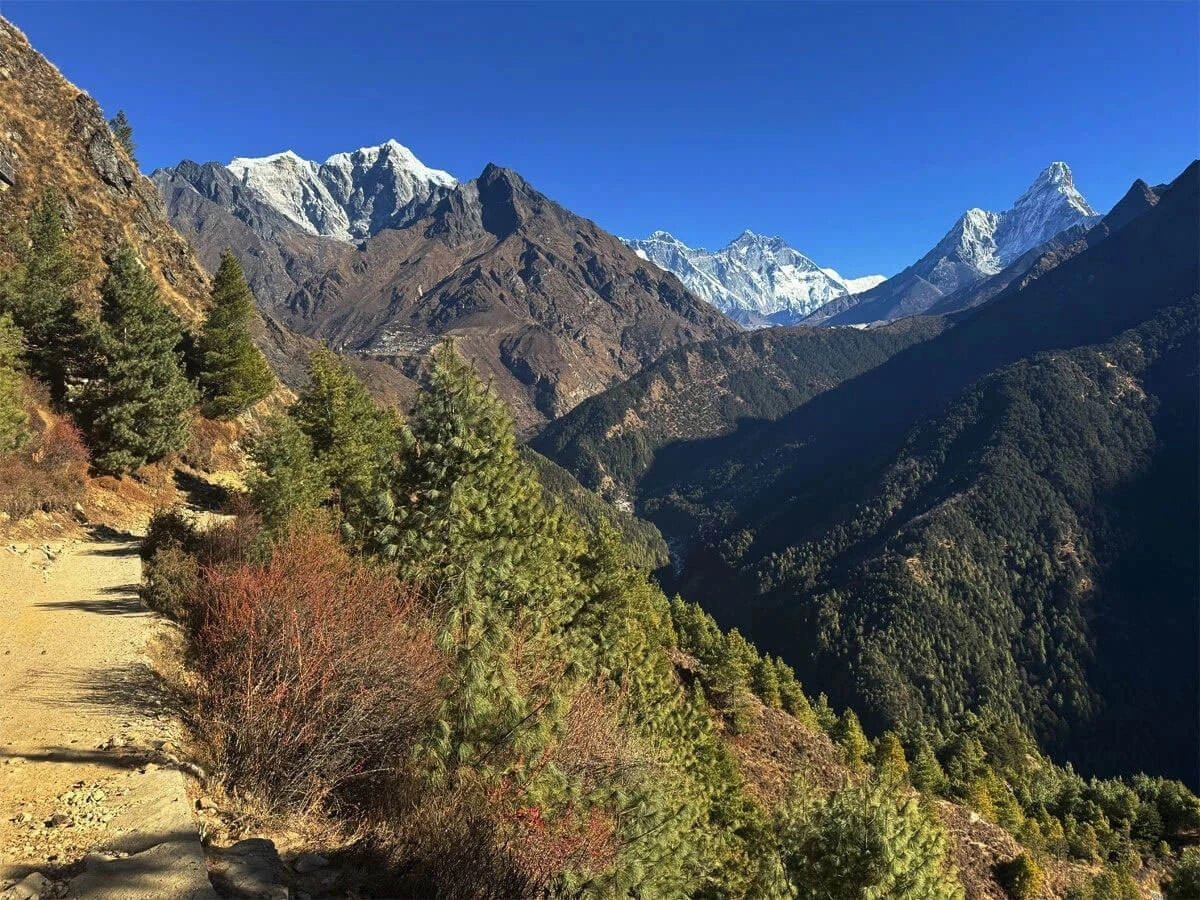
The journey starts with a scenic flight from Kathmandu or Manthali towards Lukla, the gateway to the Khumbu region of Nepal, and an amazing spot located between the mountains. From here, the trail takes you through delightful Sherpa villages, dense pine forests, and alongside the flowing Dudh Koshi River. As you ascend, the scenery transforms, with thick forests, giving you views of the spectacular alpine valleys, with majestic snow-capped peaks towering all around.
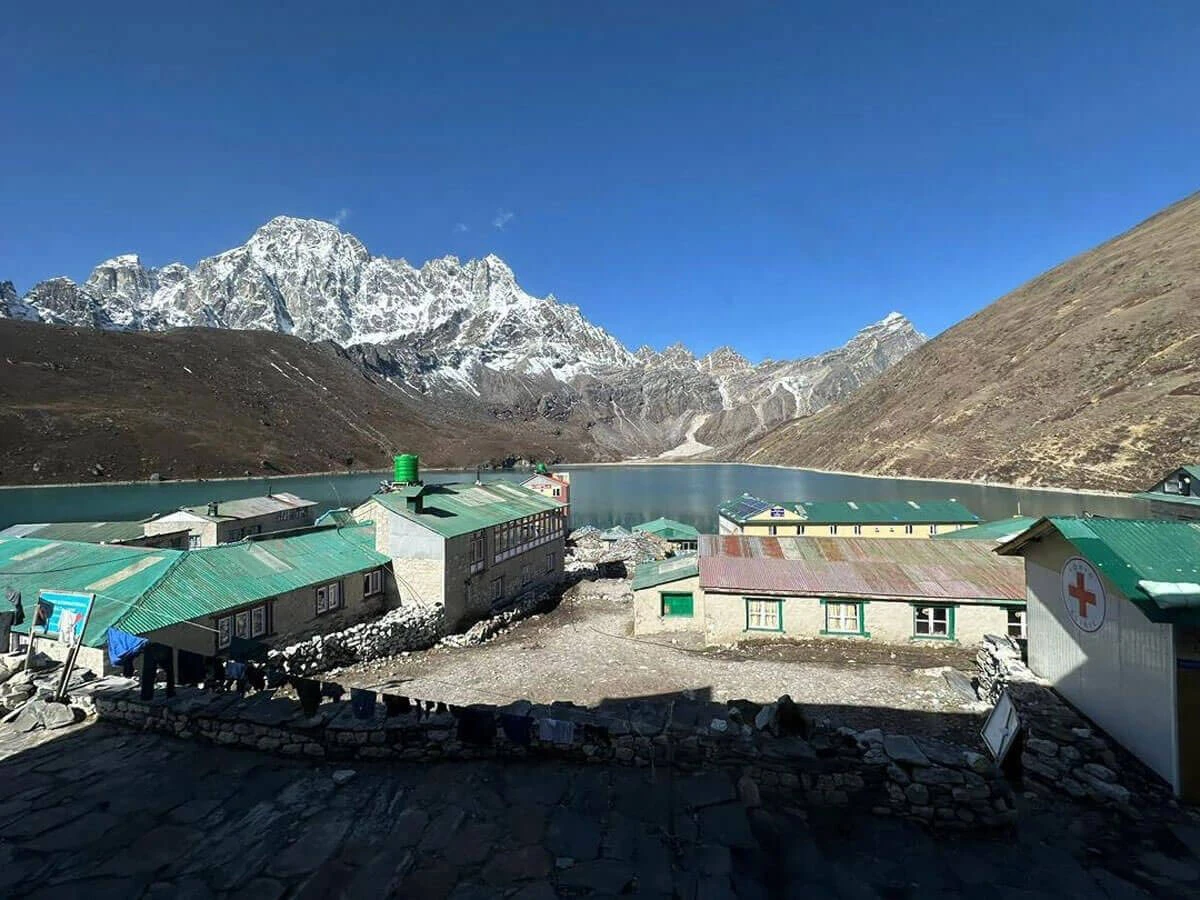
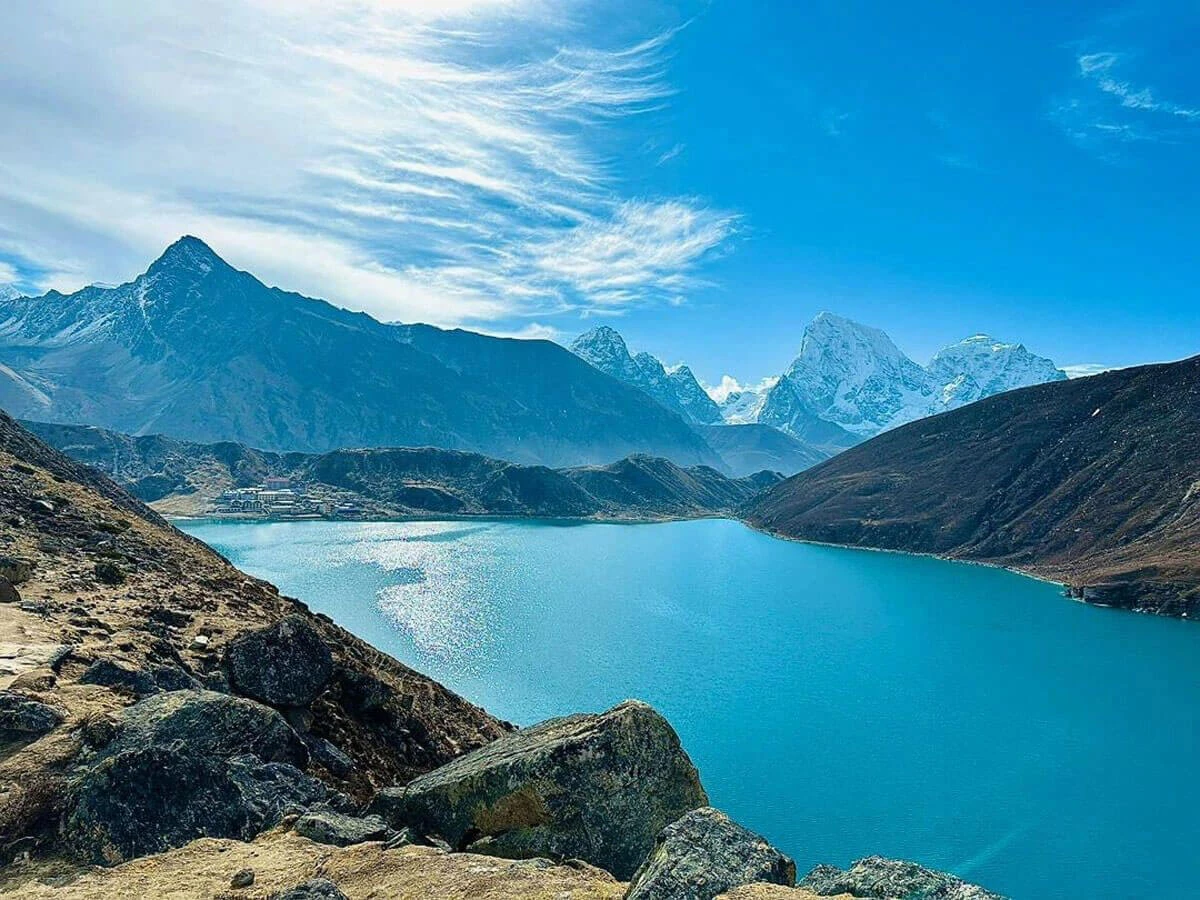
The major highlight of the Gokyo Lake Trek is reaching the Gokyo Valley, where you find a series of breathtaking turquoise lakes around you. The high-altitude lakes, located above 4,700 meters, are considered to hold great significance for both Buddhists and Hindus, providing a chance to hike towards Gokyo Ri (5,357 m), a rocky summit that boasts some of the most spectacular panoramic views in Nepal. Reaching the top, you are treated to impressive vistas of towering mountains such as Everest, Lhotse, Makalu, and Cho Oyu.
The Gokyo Lake Trek is a moderate to challenging adventure, ideal for those who have proper fitness and have a great passion for the mountains. This trek offers incredible rewards without the crowds, making it one of the best alternative treks to Everest and the Annapurna region in Nepal.
Whether you want to witness the jaw-dropping mountain views, experience the rich culture of the locals, or feel the serene beauty of the Himalayas, the Gokyo Lake Trek promises an unforgettable journey in the heart of Sagarmatha National Park.
Major highlights of the Gokyo Lake Trek
- Visit the Gokyo Lake, a turquoise glacial lake and the highest freshwater lake in the world, reflecting the snow-capped peaks in the still water.
- Reach Gokyo Ri, one the the best viewpoints, offering panoramic views of Mount Everest, Lhotse, Makalu, and Cho Oyu.
- Cross and walk along an impressive glacier, offering dramatic and glacial landscapes along the way.
- Take an alternative trek from EBC routes, ideal for trekkers looking for serenity and solitude in the Himalayas.
- Pass through blooming rhododendron forests, mix alpine valleys, glacial moraines, and rugged mountain terrain.
- Experience the authentic Sherpa hospitality, traditions, and visit Buddhist monasteries.
- Explore charming Sherpa villages like Namche Bazaar, Dole, Machhermo, and Gokyo.
- Spot possible wildlife like Himalayan Tahr, musk deer, snow leopards, and Danphe
Best Time to Reach
The Gokyo Lake Trek is a scenic journey in the Everest region, famous for its turquoise glacial lakes and panoramic Himalayan views. The trek can be done throughout the year, but spring (March to May) and autumn (September to October) are peak seasons where you feel a different experience in terms of weather, scenery, and trail conditions.
Spring (March to May)
Spring is one of the best seasons for the Gokyo Lake Trek, as the weather is moderate and stable, with clear skies and warmer daytime temperatures. During this time, the trails are filled with rhododendron forests, adding vibrant colors to the landscapes. Mountain views, including Everest and Cho Oyu, are mesmerizing and uninterrupted. Trails are moderately busy, but not overcrowded. This season is ideal for photography, comfortable trekking conditions, and enjoying both nature and mountain scenery in full bloom.
Summer (June to August)
The monsoon season is the least recommended time for climbing Tent Peak. Heavy rainfall causes muddy trails, risks of landslides, and poor visibility, especially in the lower valleys. Leeches and insects are also common, with clouds often obstructing the mountain views. While the trek is possible, climbing during the monsoon is not advisable unless you are prepared for delays, wet gear, and increased. Some experienced climbers use this time for solitude, but it is generally best to avoid this season.
Autumn (September to November)
Autumn is considered the best season for the Gokyo Lake Trek because of stable weather, clear skies, and excellent visibility. This time offers you fresh mountain air, dust-free trails, and spectacular views of Everest, Lhotse, Makalu, and Cho Oyu. During this time, the temperatures are moderate at daytime and cool at night, providing comfortable trekking conditions. This season also coincides with major local festivals like Dashain and Tihar, allowing trekkers to experience rich culture along the way.
Winter (December to February)
Winter in the Everest region brings freezing temperatures, especially at higher altitudes, and heavy snowfall, blocking the way. The trails are much quieter, making it a good option for trekkers seeking a more peaceful experience. The skies are generally clear, offering jaw-dropping views of snow-covered peaks, including Everest, Cho Oyu, and other towering peaks. However, there might be extreme temperatures, especially at night, making the trek more challenging. Some teahouses along the route may be closed due to low trekkers, making it an ideal season for experienced trekkers looking for raw beauty and a less crowded route.
Permits Required for the Trek
For the Gokyo Lake Trek, you need to obtain some of the essential permits to legally and safely enter the Everest region and trek through some of the protected areas. Below are some of the necessary permits to be obtained for the Gokyo Lake Trek.
1. Sagarmatha National Park Entry Permit.
The Sagarmatha National Park Entry Permit is the required permit to be obtained for the Gokyo Lake Trek, as the route passes through the National Park area. This permits access to Sagarmatha National Park, which can easily be obtained from a registered trekking agency from the Nepal Tourism Board Office in Kathmandu. This permit is valid for the entire duration of your trek within the park and is essential for legal entry and conservation support.
Sagarmatha National Park Entry Permit Fees
- NPR 3,000 per person for Foreign Nationals
- NPR 1,500 per person for SAARC Nations
- Free for Nepali Citizens
2. Khumbu Pasang Lhamu Rural Municipality Permit:
The Khumbu Pasang Lhamu Rural Municipality Permit is mandatory for all trekkers doing the Gokyo Lake Trek, including the Everest region. This permit was replaced by the TIMS card in this area and helps fund the local infrastructure and conservation efforts. This permit is valid for the duration of your trek and is essential for legal entry into the Khumbu region.
Khumbu Pasang Lhamu Rural Municipality Permit Fees
Safety Considerations during the Gokyo Lake Trek
The Gokyo Lake Trek is one of the most scenic routes in the Everest region, but this trek includes some challenges due to its high altitude and remote location. Being aware of safety considerations is essential for a successful and enjoyable journey.
- Spend enough time acclimatizing, especially in places like Namche Bazaar, to help reduce the chances of altitude sickness.
- Keep yourself hydrated throughout the day.
- Descend immediately if symptoms arise, such as headache, vomiting, nausea, rapid increase in heartbeat, and blurred vision.
- Solo trekking can be risky, so make sure to engage with a local guide, as they provide you with insights into the terrain and local culture of the region.
- Weather conditions in the mountains can be unpredictable, so always check the weather forecast before starting the trek.
- Carry a basic first aid kit, including basic medicine for altitude, stomach, and pain relief.
- Make sure to ensure travel insurance (for high altitude trekking) along with helicopter evacuation.
- Avoid shortcuts or unknown paths and always follow the well-marked trails.
- Wear layered clothing and good hiking boots, especially for cold temperatures and slippery paths at higher altitudes.