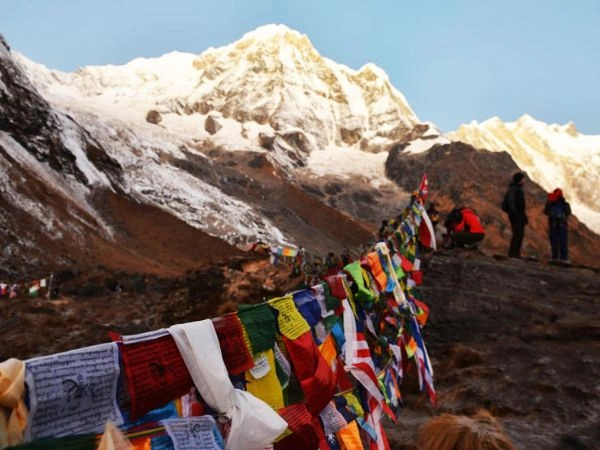
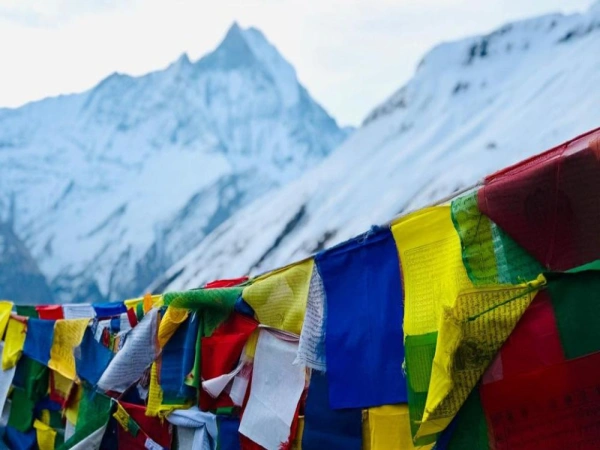
Most people preparing for the Annapurna Circuit obsess over the route, the teahouses, the views; and then almost completely forget about packing until the last minute. That's a mistake. A real one. Because unlike most hikes, this trek takes you through one of the most extreme climate shifts you'll experience on foot; from humid subtropical valleys at around 800 meters all the way up to Thorong La Pass at 5,416 meters, where temperatures can plummet to -15°C with windchill.
Pack wrong, and you'll feel every bad decision in your legs, your back, and honestly, your morale. Pack right, and the whole thing becomes about the mountains; which is exactly the point.
This guide covers everything you need to know: what to bring, what to skip, how much weight to aim for, and how to think about gear by season. It's built for beginners and experienced trekkers alike; practical, field-tested, and updated for 2026.
Why Packing Right for the Annapurna Circuit Is Critical
The Annapurna Circuit isn't a single climate trek. You start in subtropical lowlands around Besisahar and finish after crossing a high alpine pass at over 5,400 meters. In between, the weather swings wildly; one morning you'll be hiking in a t-shirt through rhododendron forests, two days later you could be wrapping yourself in every layer you own as temperatures drop to -15°C near Thorong La. So, especially for beginners trekking annapurna circuit make sure to pack right.
Beyond the weather, there's another thing most guides don't warn you about; after Chame, reliable ATMs disappear and gear shops become scarce. Whatever you've forgotten, you'll probably be living without it.
So no, this isn't the kind of trek where you can "figure it out as you go." At least not with gear.
Quick Essential Packing Checklist (Save This Before You Forget)
This is the fast version; a snapshot of what absolutely must be in your bag before you start walking. Everything below gets explained in detail further down.
|
Category
|
Must-Have Items
|
|
Clothing
|
Down jacket (-10°C rated), thermal base layers, fleece mid-layer, waterproof shell jacket + pants
|
|
Footwear
|
Waterproof trekking boots (broken in), camp sandals, 4-5 pairs wool socks
|
|
Bags
|
50-65L duffel (if using porter) or 30-45L backpack (self-carry)
|
|
Sleeping
|
Sleeping bag rated to -10°C minimum
|
|
Trekking Gear
|
Poles, headlamp, water bottles or hydration bladder (2-3L)
|
|
Safety
|
Water purification (filter or tablets), first aid kit, Diamox (consult doctor)
|
|
Electronics
|
Power bank (10,000-20,000 mAh), offline maps (Maps.me)
|
|
Documents
|
TIMS card, ACAP permit, passport copy, NPR cash
|
The Clothing Guide: Layering Is Everything
In the Himalayas, the weather doesn't just change by the season; it changes by the hour. That's why the three-layer system isn't optional. It's the whole strategy.
Base Layers: Moisture Management
Your base layer is basically your second skin. It needs to pull sweat away from your body so you don't freeze when you stop moving; and on a trek like this, you stop a lot.
- Merino wool is the gold standard; it has antibacterial properties, which means you don't have to wash it as often. Always a bonus on multi-day treks.
- Synthetic options work too, and they tend to dry faster
- Bring 2 tops and 1 bottom in this layer
- Never, ever pack cotton. Cotton absorbs moisture instead of wicking it; wearing it in the mountains is genuinely dangerous
Mid Layers: Insulation
This is what traps your body heat when temperatures drop. Think of it as your buffer between the cold and your base layer.
- A fleece jacket works well for moderate cold
- A lightweight down jacket adds serious warmth without much bulk
- Some trekkers bring both; one for evenings at lower altitude, one for the high pass section
Outer Layers: Weather Protection
Rain, snow, wind; your outer layer handles all of it.
- A waterproof, windproof jacket (Gore-Tex or similar) is non-negotiable
- Waterproof pants are worth it, especially if you're trekking in spring or shoulder season
- This layer should breathe well, not just repel water
List of recommended Trekking Clothes for Annapurna Circuit Trek:
|
Item
|
Quantity
|
Notes
|
|
Quick-dry trekking shirts
|
3-4
|
Mix of short and long sleeve
|
|
Trekking pants
|
2
|
Zip-off style is versatile
|
|
Thermal base top
|
2
|
Merino or synthetic
|
|
Thermal base bottom
|
1
|
|
|
Warm fleece/down jacket
|
1-2
|
Mid layer
|
|
Waterproof jacket
|
1
|
Outer shell
|
|
Waterproof pants
|
1
|
|
|
Sports underwear
|
6-8
|
Breathable, moisture-wicking
|
Accessories for High Altitude:
These are the items people underestimate; and then desperately wish they'd packed properly.
- Warm beanie (wool or fleece)
- Liner gloves + waterproof outer gloves (two-pair system works best)
- Buff / neck gaiter (doubles as a face covering near the pass)
- Sunglasses with UV protection; the UV at altitude is intense and genuinely damaging
- Balaclava or face mask if trekking in winter
Footwear: Get This Wrong and Everything Suffers
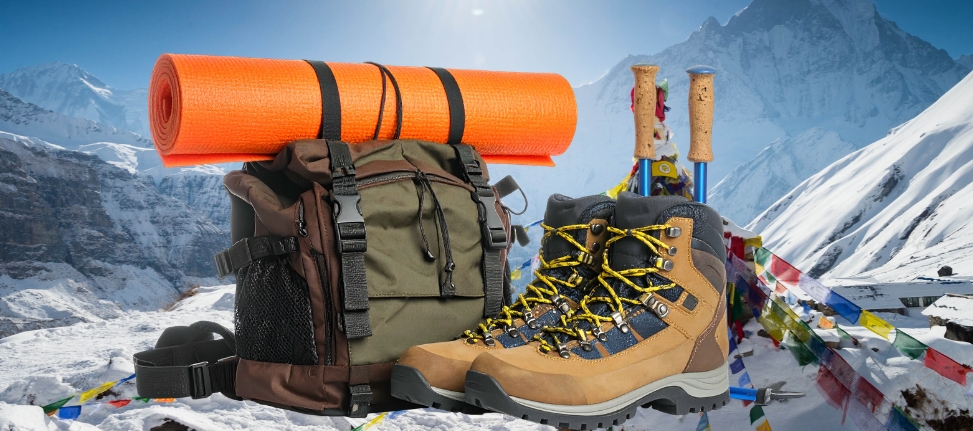
Sturdy, well-broken-in waterproof trekking boots are non-negotiable on the Annapurna Circuit; your boots will be your best friends or your worst enemies on the trail. Mid-weight boots with ankle support and Vibram soles work best for the terrain variety you'll encounter.
And this part matters more than people realize; never wear brand new boots on a multi-day trek. Break them in for at least 4-6 weeks before departure.
Beyond the boots:
- Camp sandals or Crocs; after 8 hours in boots, sliding into something soft at the teahouse is genuinely one of the best feelings of the whole trip
- Wool socks, 4-5 pairs: Merino wool regulates temperature and resists odor far better than regular hiking socks
- Blister kit: Blister plasters are non-negotiable. Don't wait until you actually have a blister to wish you'd packed them
Backpacks and Bags: What Size Do You Actually Need?
Your pack serves as your home for nearly three weeks. Don't cut corners here.
If You're Hiring a Porter (Recommended):
Most reputable agencies arrange one porter per two trekkers. In this setup, you'll need two bags:
- 60-80L duffel bag; this goes to the porter. It must be a duffel, not a suitcase or rigid pack
- 20-30L daypack; you carry this yourself with your daily essentials: water, snacks, rain jacket, camera, sunscreen
- One porter carries luggage for every two trekkers, with a maximum of 12 kg per trekker in the duffel bag.
If You're Carrying Everything Yourself:
- Target pack weight: 8-10 kg if you're carrying it yourself.
- A 30-45L backpack with a padded hip belt and internal frame is the sweet spot
- Add a rain cover; or buy one separately in Kathmandu for a few hundred rupees
Organization Tips:
- Packing cubes are genuinely useful; they keep everything sorted and compress clothing well
- Waterproof dry bags inside your pack protect electronics and clothing on rainy days
- Keep your rain jacket, snacks, and water accessible without digging through everything
Important note for the Jomsom flight: There are strict weight restrictions on the Jomsom to Pokhara flight. Hold luggage cannot exceed 10 kg and hand luggage 5 kg. Wearing your trekking boots and a heavy jacket on the plane helps reduce luggage weight.
Essential Trekking Gear and Equipment
Beyond clothing, these items directly affect your safety and comfort on the trail.
|
Item
|
Why You Need It
|
|
Sleeping bag (-10°C rated)
|
Teahouses provide blankets but up high these are not enough. A warm sleeping bag is essential.
|
|
Trekking poles
|
Reduce load on your knees on descents; especially after Thorong La
|
|
Headlamp + spare batteries
|
Early starts for the pass crossing require it
|
|
Water bottles or hydration bladder
|
Carry 2-3L capacity minimum
|
|
Sunscreen SPF 50+
|
UV intensity at altitude is significantly higher than at sea level
|
|
Lip balm
|
Cold, dry air destroys your lips fast
|
On trekking poles specifically; they can reduce the load on your legs by up to 20%, especially when carrying a heavy bag, so are great for multi-day hikes like the Annapurna Circuit.
Water, Hydration and Purification
Here's something most first-timers miss: relying entirely on bottled water is expensive, wasteful, and honestly not necessary. Plastic bottles are also a serious environmental problem in the mountains, so prepare accordingly for trekking in Himilayas.
Better options:
- Water purification tablets; lightweight, cheap, effective
- Lifestraw or similar filter bottle; slightly bulkier but more convenient long-term
- UV purifier (SteriPen); fast and effective, but needs a power bank to recharge
Daily hydration at altitude matters more than most people realize. You need to be drinking consistently throughout the day, not just when you feel thirsty. Altitude suppresses your thirst signal, so by the time you feel it, you're already behind.
Toiletries and Hygiene Essentials
Higher up on the circuit, showers become cold, infrequent, or nonexistent. That's just the reality. Plan accordingly.
- Wet wipes; these become your best friend above 3,500m
- Hand sanitizer
- Toilet paper (not always provided)
- Quick-dry towel (microfibre is ideal)
- Biodegradable soap; it's the respectful choice in an ecologically sensitive area
- Toothbrush, toothpaste, floss
- Feminine hygiene products (not reliably available in mountain villages)
- Small mirror, nail clippers, earplugs
Keep this bag lean. You don't need a full bathroom cabinet; just the essentials that actually get used every day.
First Aid Kit and Medications
Altitude Sickness Prevention:
Diamox (altitude medication) should be consulted with a doctor first. It's widely used and genuinely effective, but it's a prescription medication and doesn't suit everyone. Sort this out with your doctor before you leave home, not in Kathmandu.
Medications to bring during Annapurna Circuit:
Must Have Medication during Annapurna Circuit
|
Medication
|
Use
|
|
Diamox (Acetazolamide)
|
Altitude sickness prevention; consult doctor first
|
|
Ibuprofen
|
Pain, inflammation, headaches
|
|
Anti-diarrheal (Imodium)
|
Stomach bugs are common
|
|
Antihistamine
|
Allergic reactions, dust
|
|
Oral rehydration salts / electrolytes
|
Dehydration recovery
|
|
Antiseptic cream
|
Cuts and grazes
|
|
Bandages, gauze, medical tape
|
Wound care
|
|
Blister plasters (Compeed)
|
Non-negotiable; pack more than you think you'll need
|
Guide's insight: Symptoms of altitude sickness include headache, nausea, dizziness, and fatigue. If symptoms worsen; especially shortness of breath at rest or confusion; descend immediately. No view is worth your life.
Documents, Permits and Money
This is one of those categories people pack last and regret first.
- TIMS Card (Trekkers' Information Management System); available in Kathmandu or Pokhara
- ACAP Permit (Annapurna Conservation Area Permit); required and checked at multiple checkpoints along the route
- Passport + copies; keep both the original and at least two photocopies separate
- Emergency contact list; written on paper, not just saved on your phone
- Cash in Nepali Rupees (NPR); ATMs disappear after Chame as altitude increases. Withdraw enough in Pokhara or Kathmandu to cover the full trek. Card payments are rarely accepted in mountain teahouses.
Permits during Annapurna Circuit or any other trek that require it are mandatory so make sure you double check before heading off from your hotel.
A rough budget tip: costs go up the higher you climb. Meals, water, and charging your devices all cost more at altitude.
Electronics and Power Management
The mountains don't care about your battery level; but you do.
- Power bank (10,000-20,000 mAh); this is essential. Charging at teahouses costs extra (usually NPR 200-500 per charge) and isn't always available
- Offline maps (Maps.me); download before you go. Don't depend on mobile data above lower elevations
- Camera; your phone works fine, but if you're bringing a dedicated camera, pack extra batteries and memory cards
- Headphones; long rest days happen; they're worth it
- Universal adapter; Nepal uses Type C, D, and M outlets
Cold kills battery life fast. Keep your phone and power bank inside your sleeping bag or jacket pocket when temperatures drop.
Food and Snacks to Pack
Teahouses serve food throughout the annapurna circuit; dal bhat, pasta, soups, eggs, and so on. But once you're above Manang, options shrink and prices rise sharply.
Pack these from Kathmandu or Pokhara:
- Energy bars (Snickers, Clif bars, or local equivalents)
- Trail mix; nuts, dried fruit, chocolate
- Instant noodles or oatmeal packets for emergencies
- Electrolyte powder sachets; mix into water, especially at higher altitude
- Dark chocolate; high calorie, boosts morale, doesn't melt at altitude
You don't need to carry a week's worth of food. Just enough to supplement teahouse meals and cover gaps.
Seasonal Packing Guide
Gear needs shift significantly depending on when you decide to do the Trek.
|
Season
|
Months
|
Key Additions
|
|
Spring (Peak)
|
March - May
|
Lighter layers okay at lower elevations; still need full winter gear for Thorong La
|
|
Autumn (Peak)
|
September - November
|
Best visibility; cold nights above 3,500m; standard full gear list applies
|
|
Winter
|
December - February
|
Temperatures near Thorong La can drop to between -15 and -25 degrees Celsius with wind chill. Full winter gear is required: insulated winter shell, waterproof pants, balaclava, microspikes or crampons for icy trails, and insulated boots.
|
|
Monsoon
|
June - August
|
Not recommended; if going, prioritize waterproofing everything
|
Spring and autumn are the two prime windows. If it's your first time, go in October, considered best time to trek annapurna circuit; the skies are clearest and conditions are most predictable.
How to Pack Smart: Optimal Lightpacking Guide
I've overpacked for every trip in my life. But the Annapurna taught a lesson worth remembering; your back pays for every bad decision you make at home.
Aim for 8-12 kg if you're carrying your own bag. Here's how:
- Layer, don't bulk; three thin layers outperform one thick jacket and take up less space
- Multi-use items; a buff works as a neck warmer, face cover, and hat liner
- Merino wool clothing; fewer pieces needed because it doesn't smell quickly
- Rent in Kathmandu; down jackets and sleeping bags can be rented affordably if you don't want to fly with them. Just make sure it's from a reputable outfitter; cheap local gear sometimes doesn't hold up at real altitude
The test: if you're packing something because it "might be useful," leave it behind. That item will likely spend 18 days at the bottom of your bag.
What NOT to Pack for Annapurna Circuit
Some things seem logical to bring but genuinely aren't worth the weight.
- Cotton clothing of any kind; t-shirts, jeans, cotton socks. Cotton traps moisture and becomes dangerously cold when wet
- Heavy DSLR lenses; your phone camera is good enough; a mirrorless camera with one lens is fine if you're serious
- More than one pair of camp shoes; Crocs or flip-flops, singular
- A full toiletry bag; be ruthless here
- "Just in case" outfit; if you haven't worn it in training, you won't wear it on the trail
- Laptop; there's no good reason to bring one
- Too many books; one paperback, passed forward to another trekker when done
Expert Packing Tips; From People Who've Actually Done This
A few things that come up repeatedly from trekkers who've finished the circuit:
- Break in your boots properly. Break them in for at least 4-6 weeks before departure. No exceptions.
- Buy gear in Kathmandu if needed; but buy from reputable shops, not the cheapest stall. Quality matters above 4,000 meters.
- Pack your first aid kit where you can reach it without unpacking everything
- Your headlamp goes in your daypack or jacket pocket on summit day, not buried in your duffel
- Take photos of all your documents and email them to yourself as backup
- The mountain doesn't care how prepared your bag looks; the views are better when your shoulders don't hurt.
Plan Your Annapurna Circuit Trek with Experts
Honestly, the packing list is only one part of preparing well. Having a local agency that knows the route, the conditions, and the logistics; especially around permits, acclimatization pacing, and porter welfare; makes a tangible difference to how the trek actually goes.
A good guided experience means you focus on the mountains. Everything else gets handled by people who've done this many times before.
Index Adventure offers expert-guided Annapurna Circuit treks with local knowledge, safety-first planning, and personalized packing support. Whether you're a first-timer or returning trekker, their team can help you prepare properly; from your gear list to your daily itinerary.
FAQs: What to Pack for Annapurna Circuit Trek
What to pack for Annapurna Circuit trek?
The essentials are: a down jacket, sleeping bag rated to -10°C, waterproof trekking boots, layered clothing (base, mid, outer), trekking poles, headlamp, water purification, first aid kit, and required permits. Full checklist is in the table above.
Do I need a sleeping bag for Annapurna Circuit?
Yes. Most teahouses provide blankets, but bringing your own sleeping bag rated to -10°C is worth it; nights get genuinely cold, especially above 3,500m.
What do you wear on Annapurna Circuit?
A layering system: moisture-wicking base layers, a fleece or down mid-layer, and a waterproof outer shell. Quick-dry trekking pants, warm socks, and a beanie are daily essentials above 3,000m.
Can a beginner do Annapurna Circuit?
Yes; but preparation matters. The trek is long (12-18 days typically) and reaches serious altitude. Good fitness, proper gear, and acclimatization days are what make it manageable, not prior trekking experience alone.
How heavy should my backpack be?
Target pack weight: 8-10 kg if you're carrying it yourself. If you hire a porter, aim for 10-12 kg maximum for the porter's load, plus a 20-30L daypack for yourself.
Where can I buy gear in Nepal?
Kathmandu's Thamel district and Pokhara's Lakeside area both have dozens of gear shops. Quality varies widely; reputable brands and established shops are worth the extra cost for critical gear like sleeping bags and boots.